
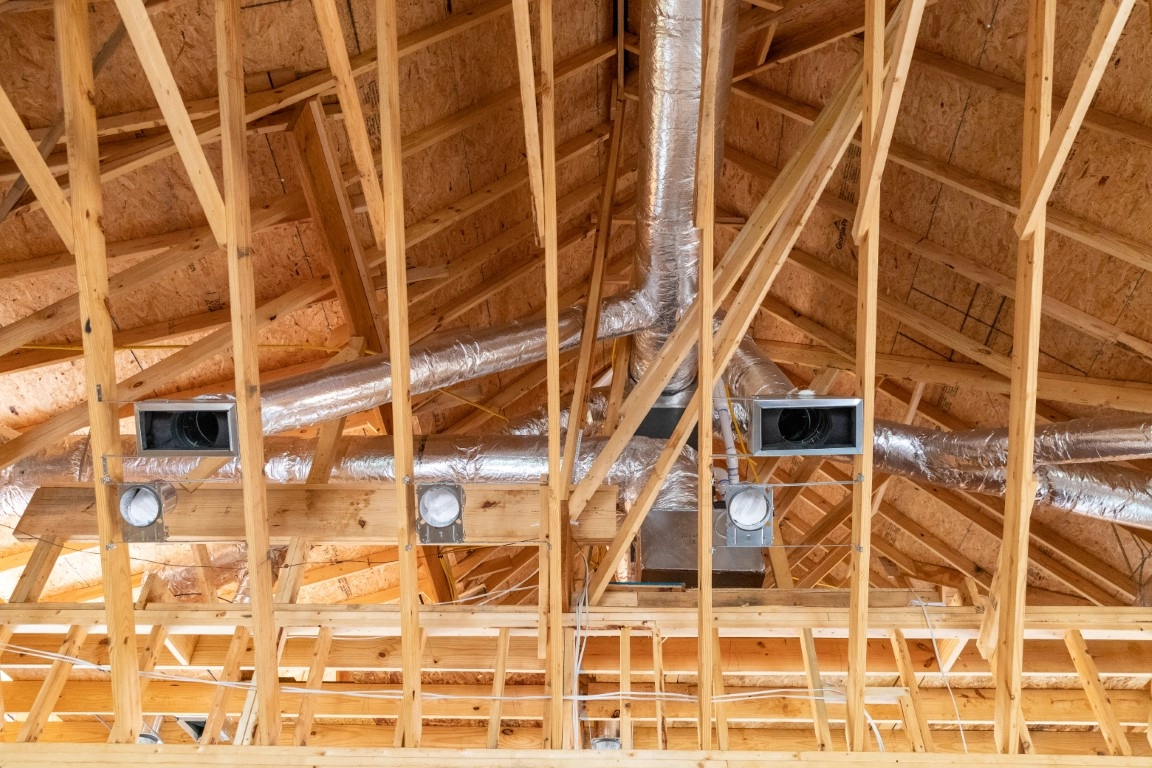
There are a lot of decisions to make when building a new home, from layouts and color palettes to materials and décor. While you’re navigating these never-ending decisions, don’t forget about the HVAC system! Choosing the perfect HVAC system is a crucial part of building a new construction home, affecting comfort, energy efficiency, and long-term costs.
If you’re in the midst of a new construction project, keep reading to learn more about how to ensure you choose the right HVAC system for your home.
Why New Construction Is the Best Time to Choose the Right HVAC System
New construction gives you the opportunity to design the HVAC system around the home rather than retrofitting later. It’s much easier to integrate ductwork, zoning, and smart technology while it’s still under construction. When you invest in quality HVAC solutions now instead of starting with something basic and upgrading a few years down the line, you can save big on installation and maintenance.
Key Factors to Consider When Choosing an HVAC System
When you’re choosing an HVAC system for your new construction home, keep these factors in mind:
Home Size, Layout, and Square Footage
HVAC technicians take into account the home’s size, layout, ceiling height, and square footage to perform load calculations (often known as Manual J). These calculations tell you how big your HVAC system needs to be in order to keep your home at a comfortable temperature and ensure it doesn’t use more energy than necessary.
Climate and Local Weather Conditions
Consider the climate and local weather conditions. Will you use heating more than cooling, or vice versa? Will you likely rely on your furnace as much as your AC? How humid is it during each season? These factors will influence the type of HVAC system you’ll need for your new construction home.
For example, if you’re moving to a hot region, you may want to invest in a premium AC system while sticking with a basic furnace. If your new home is somewhere dry and arid, a built-in humidifier can help you stay comfortable.

Energy Efficiency Goals
HVAC equipment comes with different ratings to help you understand how efficiently it uses energy, including:
- SEER: The seasonal energy efficiency ratio divides an air conditioner’s cooling output by its energy usage. The higher the rating, the more efficient it is.
- EER: The energy efficiency ratio measures how fast a room can be cooled. The higher the rating, the better.
- AFUE: The annual fuel utilization efficiency rating tells you how efficiently a furnace converts fuel into heat. Again, higher ratings are better.
- HSPF: The heating seasonal performance factor measures the efficiency of air source heat pumps by dividing heat output by electricity used. Look for higher ratings for greater efficiency.
When you understand each of these metrics, you can choose HVAC equipment that meets your energy efficiency goals for your new construction home. Plus, when you choose efficient HVAC systems, you can lower your monthly utility bills and even qualify for incentives.
Indoor Air Quality Considerations
It’s also important to consider indoor air quality. If you or a member of your household has allergies or respiratory issues, adding a whole-home air purifier to your new construction home’s HVAC system can help them stay healthy and comfortable.
Budget, Installation Costs, and Long-Term Value
Consider the initial system cost vs. lifetime operating costs. Oftentimes, more efficient systems cost more upfront but save you significant money in the long run. Make sure you factor in the cost of professional installation, warranties, and maintenance plans and remember that choosing the right HVAC system adds value to your home.
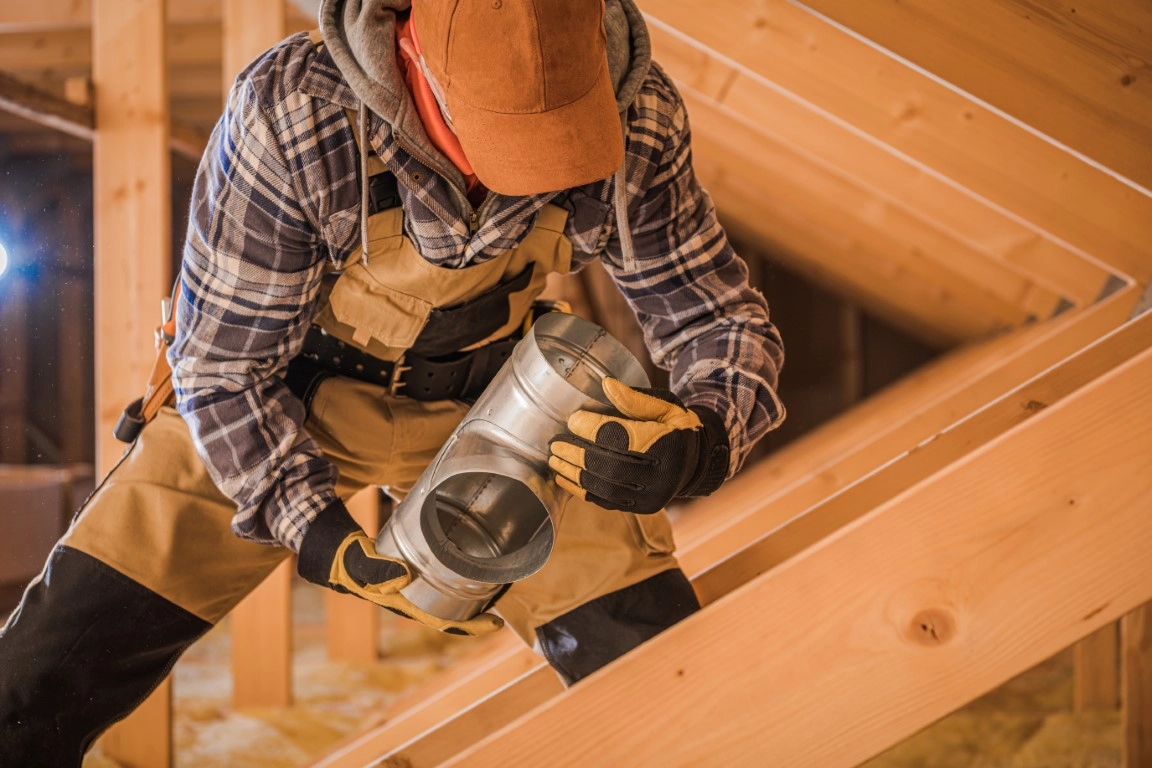
Types of HVAC Systems for New Construction Homes
Here are the most common types of HVAC systems you see in new construction homes:
- Traditional HVAC systems: Traditional furnace and AC systems with high efficiency ratings are ideal for most new construction homes.
- Heat pump systems: Heat pumps work for both heating and cooling, providing major energy efficiency advantages.
- Ductless mini-split systems: If you prefer the flexibility of multiple heating and cooling zones, consider a ductless mini-split system. Just remember that if you decide to switch to a traditional ducted system later on, it’ll be difficult to retrofit your home.
- Hybrid HVAC systems: Combining a heat pump with a furnace is ideal for homes in areas with varying seasonal temperatures. Just be sure to consider the cost vs. the efficiency benefits.
New Construction HVAC by Genuine Comfort
If you’re in the process of building a new home, trust the experts at Genuine Comfort to ensure you have the right HVAC system for your needs. We’ll help you avoid costly mistakes and set you up for success in your new home. Contact us today to get started!
Follow Us