
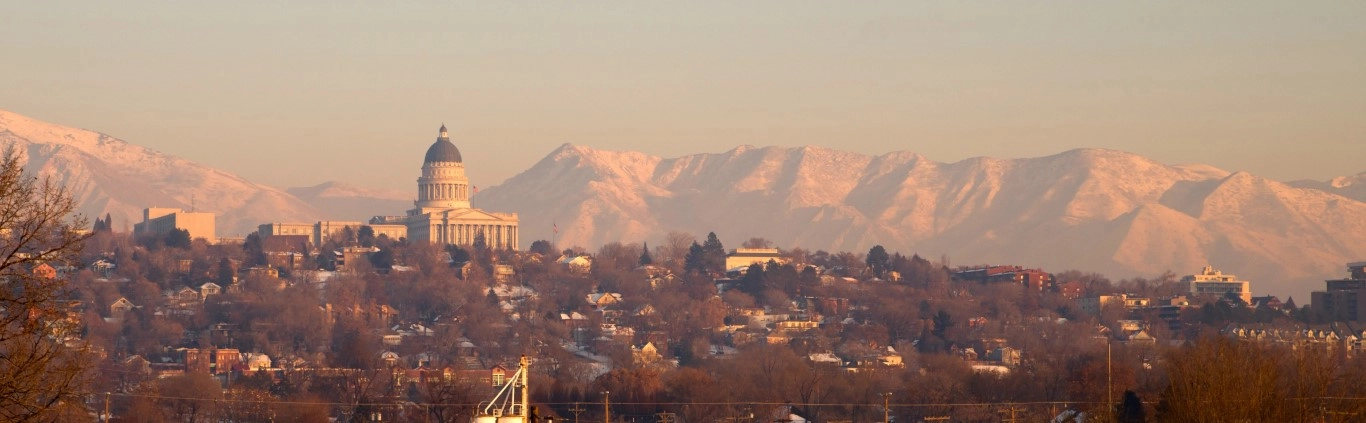
Utah frequently ranks among the nation’s worst for air quality, which isn’t a surprise to anyone who lives here. In 2024, the American Lung Association ranked the Salt Lake City–Provo–Orem metro area as the 9th-worst in the country for ozone and the 25th-worst — just below Logan, Utah, at 24th — for short-term particle pollution.
For most Utah residents, poor air quality is unavoidable, at least when outdoors. However, the smart use of HVAC systems can mitigate indoor exposure during poor air quality days.
At Genuine Comfort, we want the people of Utah to be able to breathe easier within their homes. If you’re wondering how to protect yourself on days with poor air quality, keep reading to explore Utah’s air quality dynamics and how your HVAC system can help keep your indoor air cleaner, safer, and healthier.

Why Does Utah Have Poor Air Quality?
Most of Utah’s air pollution comes from vehicles, wood burning, industrial activities, and wildfires. While other places have the same pollution-causing factors, Utah in particular struggles with poor air quality due to its mountainous terrain. The mountains act like the sides of a bowl, trapping pollutants. The result is wintertime inversions and summertime ozone spikes.
This pollution can have a significant impact on health. PM2.5 — fine inhalable particulate matter in the air — has been linked to heart disease, respiratory issues, and dementia, and ozone can irritate the lungs and worsen asthma.
Why Focus on Indoor Air Quality?
With such poor air quality outdoors, it’s important to focus on the factors you can control, such as indoor air quality. Most people spend around 90 percent of their time indoors, where pollution often exceeds outdoor levels. In fact, it can be 2–5 times worse due to cleaning, cooking, building materials, and infiltration of wildfire smoke and inversion pollution.
How HVAC Systems Can Help
Your HVAC system can be a valuable tool in improving your home’s air quality and helping you breathe easier on days with poor air quality.
Monitor Outdoor Air Quality
Monitor upcoming air quality forecasts so you know when to adjust your home’s HVAC system. If you live in Utah, you can use the UCAIR website to learn the current air quality and be prepared for changing conditions.
Opt for High-Quality Filtration
Opt for higher-rated air filters to capture more fine particles. Choose a filter with a MERV rating between 10 and 13 or a HEPA-rated filter to ensure you’re trapping even the smallest pollutants. Make sure you’re changing them as often as the manufacturer recommends (typically every 30 days), especially during inversion or wildfire events.
Use Economizers with Caution
Economizers, typically found in commercial buildings, use outside air to cool the building when appropriate. While they’re great for saving energy, they can bring in pollutants from outdoors — especially wildfire smoke — if used on poor air quality days. If your HVAC system has an economizer, use it with caution in these situations.
Reduce Infiltration and Ensure Proper Ventilation
Reduce the amount of outdoor air filtration by sealing gaps around your doors and windows. Not only does this keep pollutants out, but it can improve HVAC efficiency, as well. You can also use a whole-home ventilator to expel stale indoor air and bring in fresh, filtered air from the outside.
Consider Air Purification
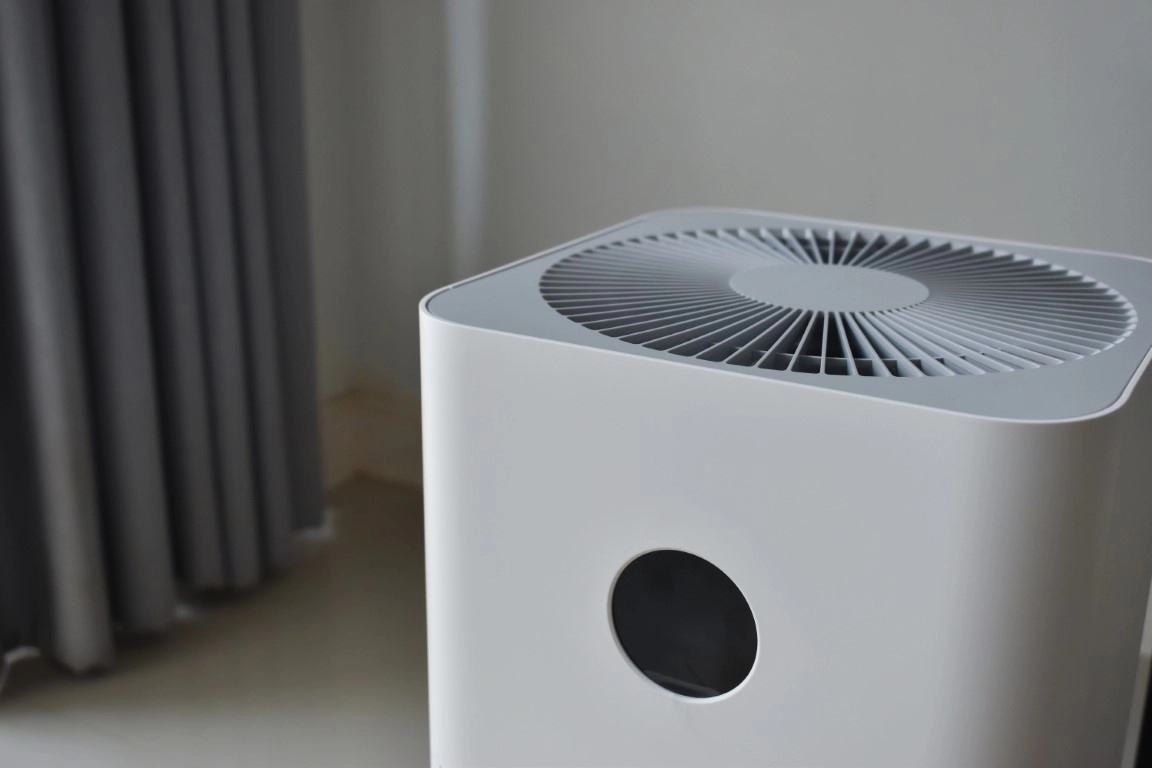
Consider adding an air purifier to your home, whether it’s a portable unit in the living space or a whole-home unit attached to your HVAC system. These devices are particularly helpful when infiltration is unavoidable.
Seek HVAC Tune-Ups
Regular HVAC tune-ups are essential for ensuring your system is clean, the filters work optimally, and your home’s air quality is healthy. These appointments give the technician the chance to identify potential problems before they escalate, allowing you to act proactively to protect your home from Utah’s poor air quality.
Achieve Better Indoor Air Quality with Genuine Comfort
At Genuine Comfort, we understand the seasonal air quality challenges that come with living in Utah, from winter inversions to summer wildfire smoke. We encourage you to take advantage of your HVAC system’s ability to improve your home’s air quality and protect your family’s health.
If you have questions about how to use your HVAC system more effectively, need a tune-up, or want to add a filtration system, contact us today. We’ll get you on the path toward better air quality in no time.
Follow Us