

You rely on your furnace to keep you warm and comfortable during the winter. However, it can quickly become a hazard if it overheats. This is one of the most common (and dangerous) wintertime HVAC issues that homeowners often ignore, but catching the warning signs early can prevent system failure, save you from expensive repairs, and keep you and your family safe.
Keep reading to learn what causes a furnace to overheat, why it’s so dangerous, signs to look out for, what to do if you suspect an issue with your furnace, and how to prevent future problems.
What Causes a Furnace to Overheat?
First, let’s go over what causes a furnace to overheat.
Restricted Airflow
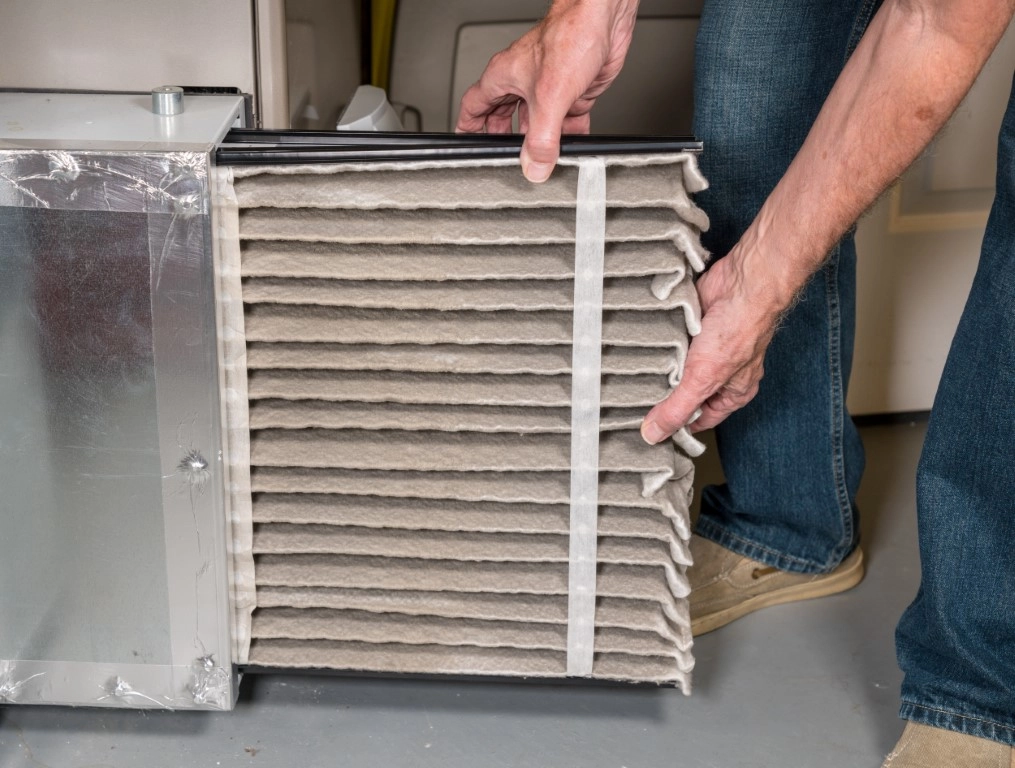
Sufficient airflow is essential for proper HVAC function. When your air filters are dirty, the burners are clogged, the registers are closed, the flame sensor is dirty, or there’s dust buildup inside the furnace, your furnace has to work harder to keep your home warm, potentially leading to overheating.
Mechanical or Electrical Failure
Mechanical and electrical issues can play a role, as well. A worn blower motor, damaged bearings or belts, a faulty limit switch, or a failing thermostat may be the culprit.
Incorrect Furnace Sizing
Your furnace must be properly sized for your home’s unique needs. If it’s oversized, it can short-cycle (turn on and off frequently), causing it to retain excess heat.
Warning Signs of Danger
So, what makes an overheating furnace so dangerous? The most concerning effect is the potential fire risk. If the heat exchanger cracks, it can leak carbon monoxide, as well. There’s also the risk of premature system failure, expensive component replacements, or a complete breakdown when you need your furnace the most.
To avoid these risks, be on the lookout for these warning signs:
- Frequent system short cycling: The high-limit switch triggers shutdowns to prevent damage, causing your furnace to turn on and off rapidly.
- Burning smells or unusual odors: A hot mechanical smell may mean the motor is overheating, while an electrical smell can indicate a wiring issue.
- Loud or unusual noises: Grinding, thumping, banging, or squealing are often the result of mechanical issues or worn-out components.
- Reduced airflow from vents: Hot and cold spots and reduced performance can occur due to dirty filters or blocked returns.
- Visible signs of heat damage: Check for scorch marks around the access panel, melted wires, or discolored components.
- Rising energy bills: Overheated furnaces work harder and become less efficient, causing your energy bills to rise.
What to Do If You Think Your Furnace Is Overheating
If you suspect your furnace is overheating, follow these steps:
- Turn off the furnace immediately. Safety first!
- Check and replace the air filter. This is the most common fix.
- Make sure vents and returns are open and unblocked to allow unrestricted airflow.
- Inspect the thermostat. Check for incorrect settings or obvious malfunctions.
- Look for tripped breakers or safety switches, which can help you identify electrical issues.
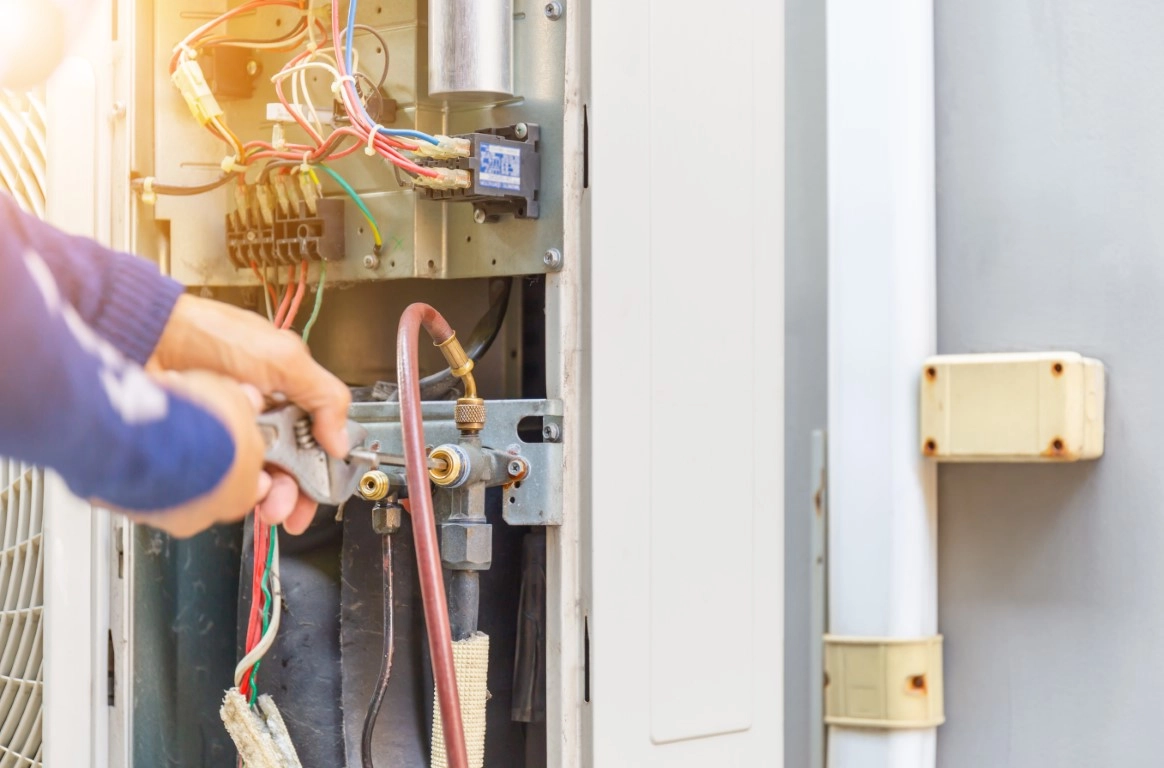
If you’re confident you’ve fixed the problem, you can try to run your furnace again; however, be ready to shut it down the second something goes wrong. If the problem persists, it’s time to call an HVAC technician. It can be dangerous to attempt repairs on heating elements yourself, so it’s best to leave it to the professionals.
The technician will inspect the blower motor, test the limit switch, check the airflow, clean internal components, fix or replace malfunctioning components, remove blockages in ducts, verify electrical connections, and check for proper system sizing.
How to Prevent Your Furnace From Overheating
One of the best things you can do to prevent your furnace from overheating is to change the filters regularly. Most manufacturers recommend changing the filter every month. You should also consider professional duct cleaning services to ensure your vents aren’t clogged with dust and debris.
It’s a smart idea to schedule annual furnace maintenance with a professional technician to make sure your system is running safely and efficiently. If your furnace is outdated, improperly sized, or inefficient, an upgrade may be worth it.
Expert Furnace Maintenance from Genuine Comfort
At Genuine Comfort, we’re committed to helping you stay warm all winter long by providing the quality furnace maintenance you deserve. Contact us today to schedule a furnace inspection or tune-up, receive an estimate for repairs, or get answers to all your burning questions about proper furnace care.
Follow Us