

As fall descends and the temperatures drop, it’s time to switch on your heater for the first time this season. You’re ready to enjoy the warmth and coziness, but are surprised to find that your home suddenly smells strange.
If your heater smells bad when you run it for the first time in a while, chances are, it’s completely normal and temporary. However, certain smells can indicate problems with your heating system.
Keep reading to learn more about common heater smells, what causes them, and when it’s time to call an HVAC professional.
Why Heaters Often Smell the First Time You Use Them
During the warmer months when you’re not using your heater, dust and debris settle on heating elements and heat exchangers. When you turn the system on for the first time, the dust burns off, leading to a brief “burning” or “hot” smell. Additionally, metal and electrical furnace components may emit slight odors as they warm up after months spent dormant. These odors usually dissipate after about 30–60 minutes.
Common Heater Smells and What They Mean
Now that you know why heaters often smell strange the first time you use them, let’s go over some other common heater smells, what they mean, and what to do about it.
Burning Dust or Musty Odor
Like we mentioned before, a burning or dusty odor is due to dust accumulation. It can also occur because of dirty air filters. To get rid of it, replace or clean your filters and let the heating system run for a short time to burn off residue. If the smell persists, it’s a good idea to schedule a furnace cleaning or duct cleaning service.
Electrical or Metallic Smell
An electric or metallic smell is likely due to overheating components, motor problems, or frayed wiring. If you suspect any of these issues, turn off your heater immediately and contact a professional to inspect the wiring and mechanical parts.
Rotten Egg or Sulfur Smell
A rotten egg or sulfur smell can occur as the result of a gas leak from a natural gas-powered furnace. If you detect this smell, turn off the system and leave your home immediately. Call your gas company or emergency services, then your HVAC technician.
Moldy or Damp Smell
If your heater smells moldy or damp, there may be mold or mildew in your ductwork, HVAC humidifier, or filters. In this case, you’ll need to have your ducts professionally cleaned. Make sure you check and replace your filters regularly and ensure proper drainage and humidity control.
Oil or Smoky Smell
Oil leaks or incomplete combustion can cause an oily or smoky smell. If you notice these smells, turn off the furnace and contact an HVAC technician immediately to check for leaks or burner issues.
Preventing Heater Odors in the Future
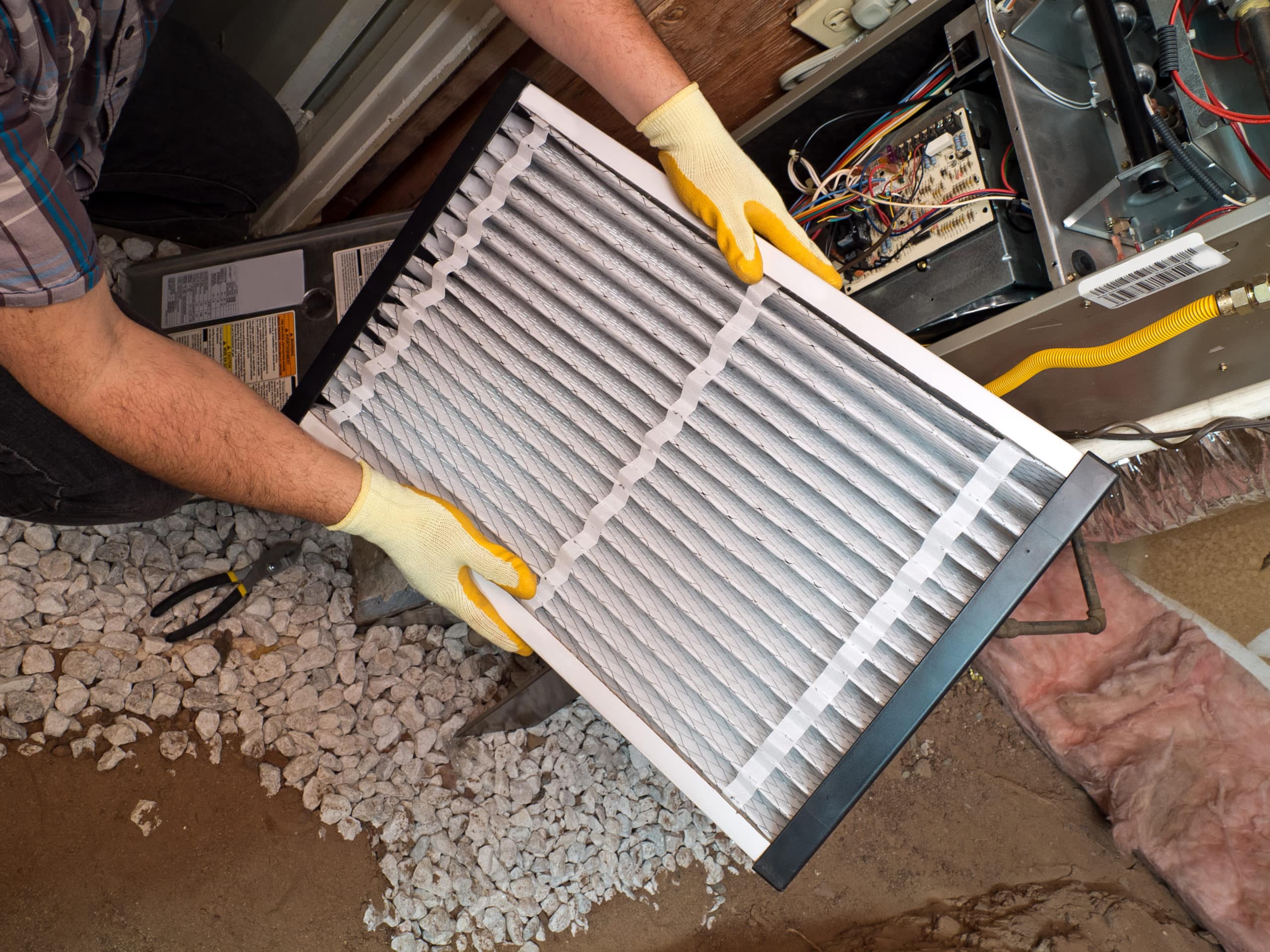
Preventing unpleasant heater smells in the fall requires regular maintenance, including replacing air filters regularly. This prevents dust and allergens from circulating in your system and burning off. Make an effort to keep your vents and registers clean, as well, to reduce buildup of dust, pet hair, and debris.
Some homeowners prefer to run their heaters briefly in the early fall to burn off dust, preventing strong smells when they actually need it. If you have a smart thermostat, you can schedule this to happen while you’re away from home.
Additionally, it’s essential to schedule regular maintenance and tune-ups each year before the cold weather arrives. These service appointments allow technicians to clean the burners, inspect the ducts, and check for leaks, which not only reduces unpleasant odors but ensures your heating system is ready for winter, as well.
When to Call a Professional
If your heater smells weird, you should call a professional if:
- The smell lasts longer than an hour or two.
- You detect burning plastic, electrical, or sulfur odors.
- The system trips breakers or stops functioning properly.
- You haven’t had a furnace tune-up in over a year.
Call Genuine Comfort for Expert Furnace Maintenance

At Genuine Comfort, we’re experts in all things furnace maintenance. Whether it’s an unpleasant smell, a strange noise, or a major malfunction, we’re here to help. Contact us today to schedule a furnace inspection or seasonal tune-up to ensure your HVAC system is running safely and efficiently.
Follow Us