

If you’re looking for ways to keep cool in the summer, you may have considered closing the registers in the basement — after all, the basement is naturally cooler, anyway, right? While you may think that closing the basement registers will push more cool air upstairs, this might not actually be a good idea.
Keep reading to learn the pros and cons of closing your basement registers in the summer, what to do instead, and some expert recommendations from the HVAC professionals at Genuine Comfort.
Why Homeowners May Consider Closing Basement Registers
Basements are naturally cooler for two reasons: they’re below ground, and warm air rises to the upper floors. In an effort to reduce energy usage, make the upper floors more comfortable, and avoid making the basement too cool, many people think closing the basement registers will redirect cool air to warmer areas upstairs.
While it may make sense in theory, in reality, that’s not exactly how HVAC systems work. Closing your basement registers may not give you the results you want.
How Your HVAC System Works with Registers
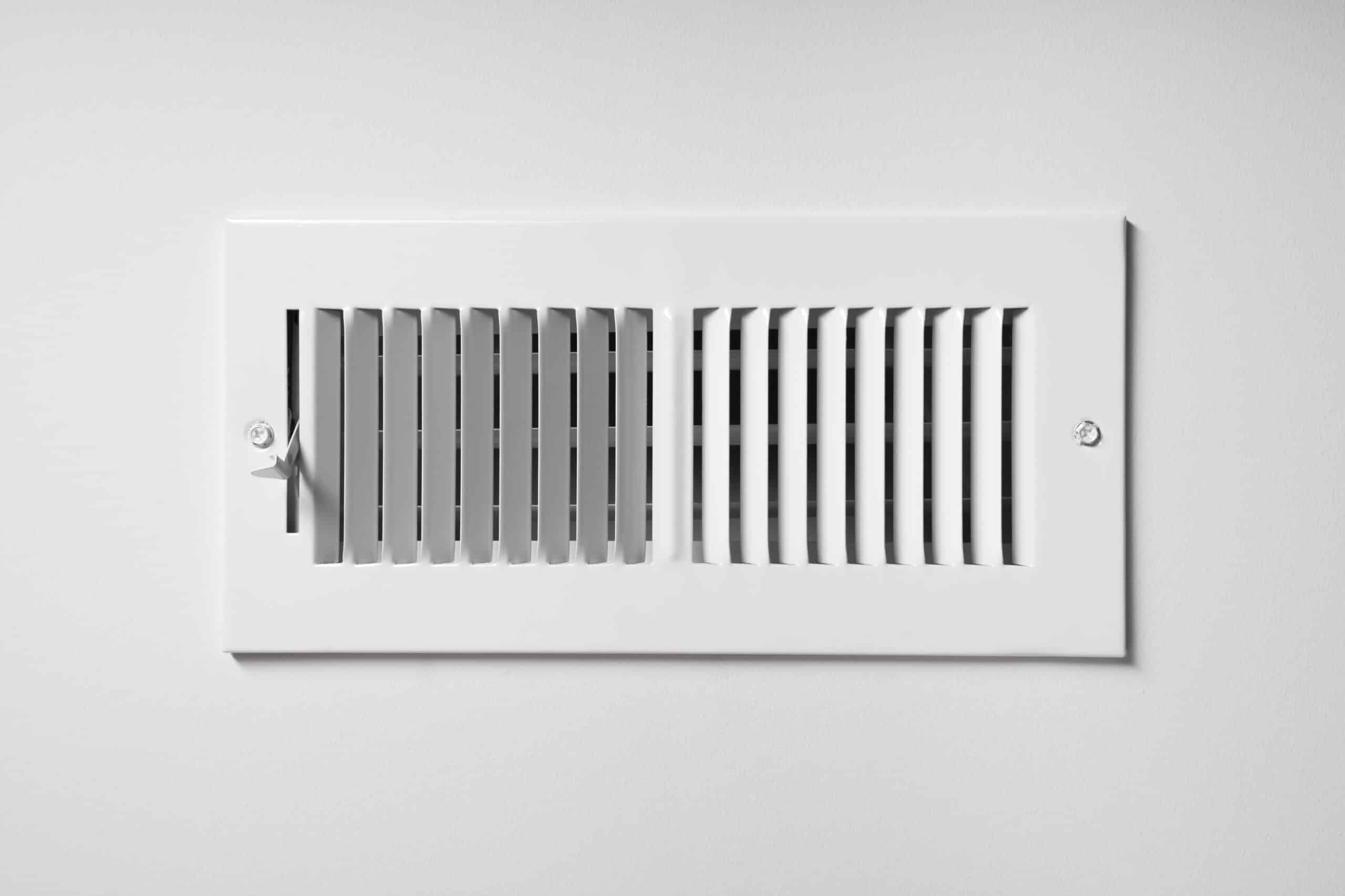
To understand why closing your basement registers is not typically beneficial, let’s go over how your HVAC system works with the registers to circulate cool air throughout your home.
HVAC systems are designed for balanced airflow. Your system’s size correlates with the square footage of your home, and it’s designed to function optimally with all the registers open. Closing multiple registers simultaneously can cause problems and impact system performance.
When you close registers, it can increase pressure in the ductwork. This pressure imbalance may put excess strain on the blower and reduce overall system efficiency, potentially leading to uneven temperatures throughout the house and increased wear and tear on system components.
Potential Consequences of Closing Basement Registers
Let’s take a closer look at the potential consequences of closing your basement registers, which may include:
- Increased system strain: With increased strain on the system comes a risk of damaging the blower motor or compressor.
- Reduced efficiency: The system may have to run longer and use more energy when the registers are closed in order to effectively cool your home.
- Duct leaks: The higher pressure created when registers are closed can push air through small leaks in the ducts, decreasing overall energy efficiency.
- Humidity issues and mold risk: When there’s less air circulating through the basement, the air can become more humid. Plus, the combination of stagnant air and humidity increases the risk of mold and mildew growth.
What to Do Instead
As you can see, closing your basement registers in an attempt to conserve energy and make your home more comfortable can backfire, leading to unintended consequences. So, what should you do instead?
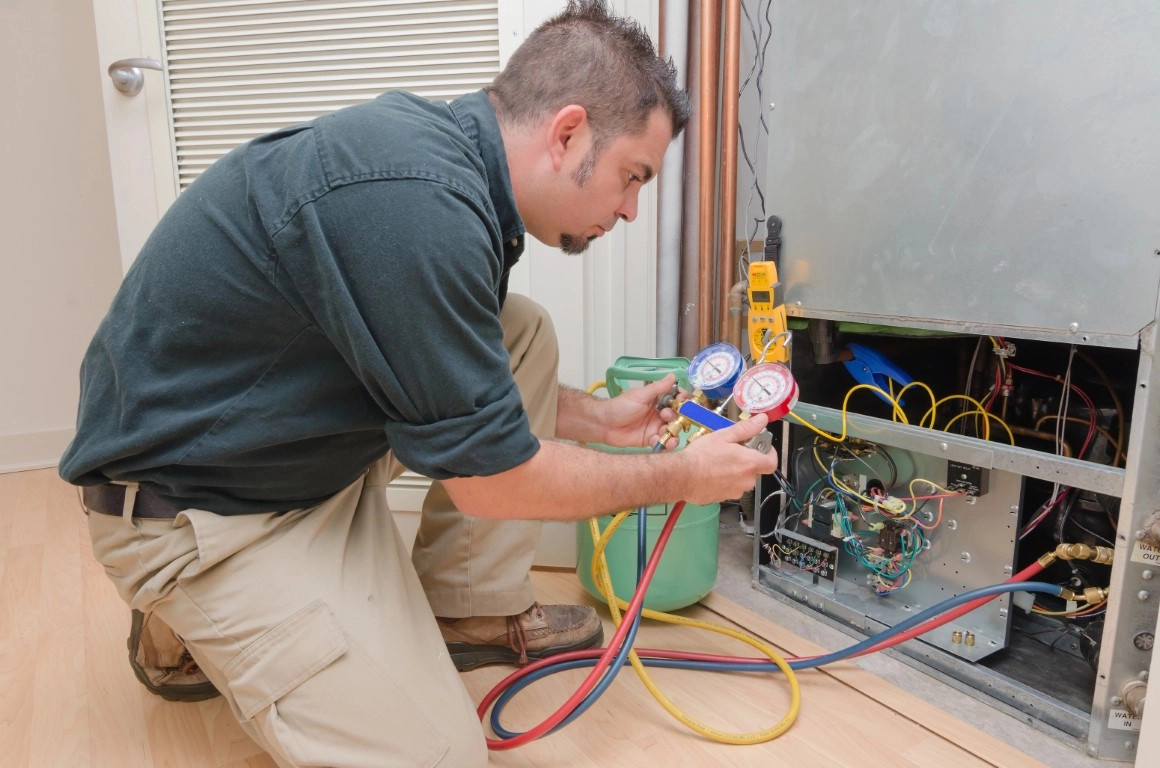
If your HVAC system is using more energy than normal or fails to keep your home at a comfortable temperature, there may be something bigger going on. It’s a smart idea to seek a tune-up and inspection from an HVAC professional to get to the bottom of it. There may be problems with the refrigerant, leaking ducts, or worn-out components impacting system performance.
If your system is working properly, but you want more flexibility, there are a few things you can do. First, try adjusting the dampers slightly. Don’t fully shut them — just partially close them. You can also install a smart thermostat to help maintain balanced temperatures throughout your home and gain insight into usage trends.
Additionally, consider upgrading to a zoned HVAC system that allows you to customize your comfort levels in different areas of your home and only cool the rooms that need it. These systems can increase efficiency and save you money on your energy bills.
When It Might Be Okay to Adjust Registers
When your HVAC system is well-balanced and properly sized, slightly closing your basement registers might help you enhance comfort; however, it’s best to do this with professional input. Only make temporary adjustments during mild weather conditions, not peak heat. Avoid closing more than one or two vents, and never completely block airflow.
Keep Cool This Summer with Genuine Comfort
At Genuine Comfort, our priority is to keep you comfortable all year long. If your HVAC system isn’t effectively cooling your home, give us a call, and we’ll be there to help. We’ll provide energy-efficient solutions that improve performance without compromising the health of your system. Contact us today to get started!
Follow Us