
No academic subject, area of interest, or industry is free from myths and misconceptions, and the world of HVAC is no exception. Whether it’s old advice, internet misinformation, or tall tales spread through word-of-mouth, there’s plenty of misleading, exaggerated, or just plain incorrect information out there about heating, ventilation, and air conditioning.
Believing the wrong information can cost you money, impact your home’s comfort, and shorten your system’s lifespan. That’s why we wrote this blog post that shares the truth behind some of the most pervasive HVAC myths and misconceptions, helping you be able to separate fact from fiction.
Myth #1: Bigger HVAC Systems Cool and Heat Better
Bigger is not always better, especially when it comes to HVAC systems. Your HVAC system must be sized properly for your home; otherwise, you’ll get short cycling, uneven temperatures, and higher energy bills. HVAC technicians perform load calculations using Manual J, which takes into account the home’s location, square footage, ceiling height, insulation, sun exposure, and more to determine the right size for your unique needs.
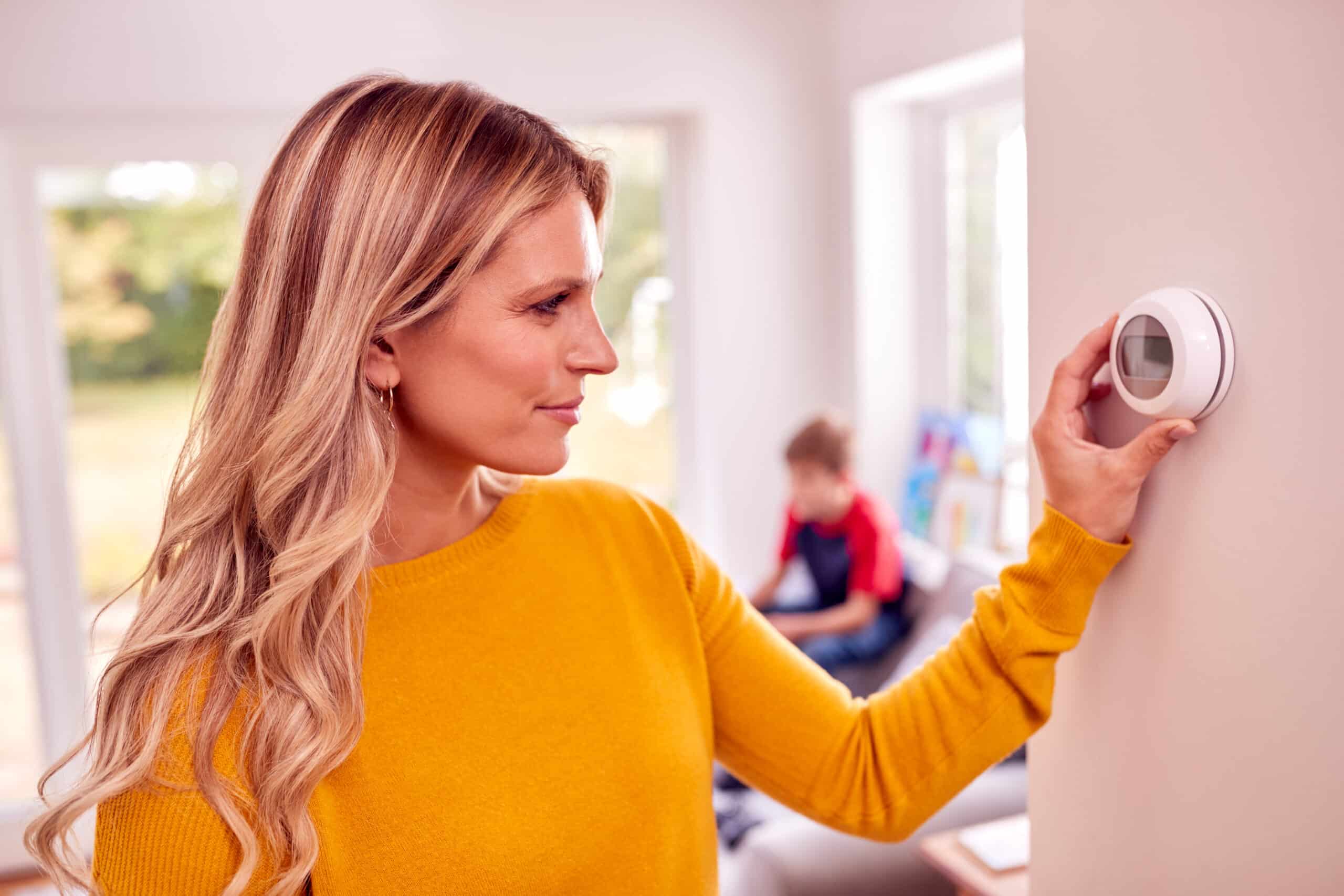
Myth #2: Cranking the Thermostat Cools or Heats Your Home Faster
Thermostats allow you to turn your system on and off — they don’t control the speed at which your home heats up or cools down. The temperature on the thermostat refers to the temperature you want your home to be, not the temperature of the air coming out of the vents. It’ll be just as cool if you set it to 75 degrees as if you set it to 60. Therefore, extreme temperature settings don’t speed up your system’s performance — instead, they waste energy and place unnecessary strain on your HVAC equipment.
Myth #3: HVAC Maintenance Isn’t Necessary if the System is Working Fine
There’s a difference between “working” and “working efficiently”. You may not notice a problem with your HVAC system, but that doesn’t mean it’s operating at its peak. Routine tune-ups allow technicians to catch smaller issues before they have the chance to cause breakdowns, saving you the cost and headache of emergency repairs and extending your system’s lifespan.
Myth #4: Closing Vents in Unused Rooms Saves Energy
HVAC systems are designed to balance airflow. Closing vents in unused rooms may seem like a genius way to save energy, but in reality, it can lead to pressure problems, duct leaks, frozen coils, and excess strain on the blower. For more information on why closing your vents isn’t a good idea, check out our previous blog post, “4 Reasons You Should Keep Your HVAC Registers Open”.
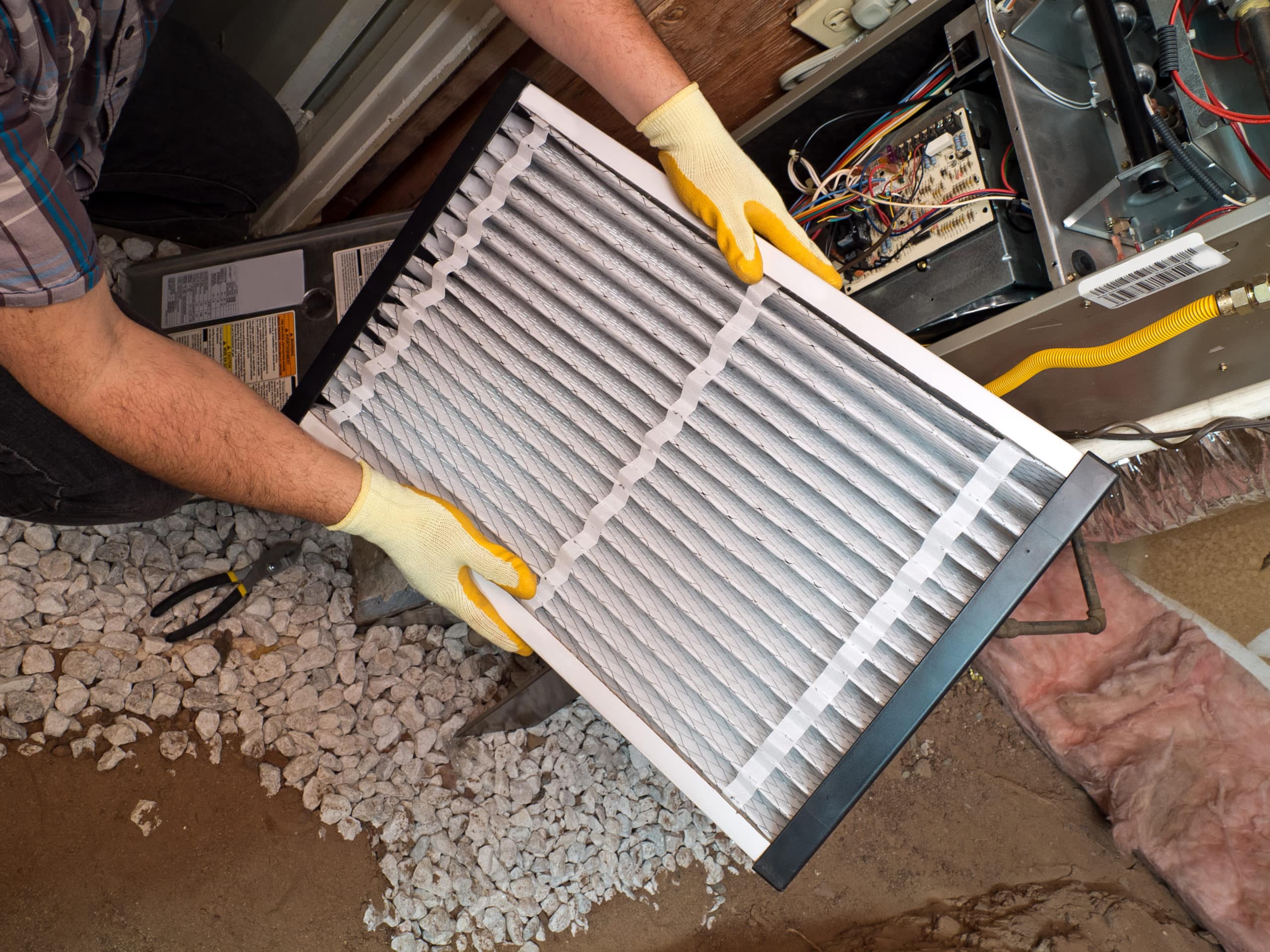
Myth #4: Air Filters Only Need to be Changed Once a Year
Changing air filters isn’t a priority for many homeowners, but it should be! Dirty filters impact your HVAC system’s airflow, efficiency, and indoor air quality. Ideally, you should replace your filter as often as the manufacturer recommends — typically every 30 days — for peak HVAC performance.
Myth #5: The Location of the Thermostat Doesn’t Matter
Most homeowners don’t spare a second thought for the location of their thermostat; however, depending on where you place it, sunlight, drafts, and heat sources can affect temperature readings. This can cause short cycling and impact your comfort. Typically, thermostats should be placed on an interior wall on the first floor away from windows, doors, and vents.
Myth #6: Turning Off the HVAC System When You’re Away Always Saves Money
Turning off your HVAC system when you’re away doesn’t always save money. You may not be spending money to keep your home at a comfortable temperature while it’s off, but you’re definitely going to pay when you get home. Bringing your home’s temperature back to a more comfortable level after allowing it to rise or fall significantly takes a lot of time and energy, which can translate into higher costs than if you’d just left the system on while you were away.
Myth #7: HVAC Systems Only Affect Temperature, Not Indoor Air Quality
HVAC systems do more than regulate your home’s temperature. They also influence humidity, filtration, and ventilation. Ductwork, filters, and humidity control play a significant role in your home’s indoor air quality, which in turn make your home more comfortable.
Trust Genuine Comfort for HVAC Services You Can Rely On
At Genuine Comfort, we’re dedicated to providing you with HVAC services you can rely on. Whether you need personalized recommendations for your new HVAC system, preventative maintenance, or just want to know whether some HVAC advice you read online was true, we’re here for you. Contact us today to schedule an appointment!
Follow Us